Writing your first sales email is only half the battle․ The real fight starts from here․ Your prospect was clearly interested‚ and they even asked you a question during the call․ Then․․․ silence․
That’s where a good sales follow up email can bring the conversation back․
But there’s a difference between following up and filling someone’s inbox with: “Just checking in․”
A good next touch gives the prospect a reason to respond: It gives some context‚ answers a question‚ provides something useful‚ or makes the next step easier․
Here are 18 sales follow up email templates for various scenarios․
What Makes a Good Sales Follow Up Email?
Four things to remember before working with the templates:
- Have a reason: Don’t email just because it’s been three days․
- Keep it short: your prospect is probably busy․
- Engage with your audience by sharing an answer‚ idea‚ resource‚ or useful update․
- Make your next step clear: Tell them what you want them to do next․
Help out by using a specific ask‚ adding context‚ and including a clear message․
Now let’s get into the templates.
18 Sales Follow Up Email Templates
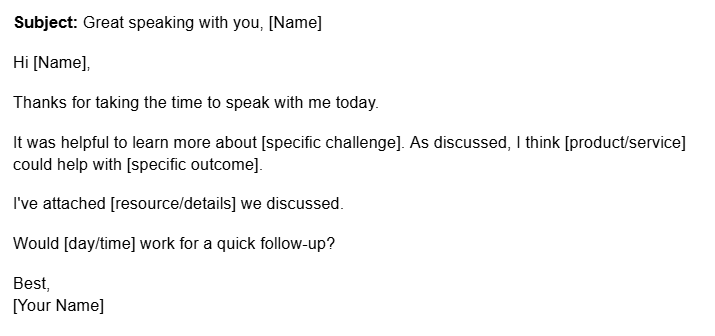
1. After a Sales Call
When to use it: Send follow up email to sales call within a day of the call‚ when the conversation is still fresh․
Tip: Use the thank-you note to reference a specific problem or goal discussed on the call․
2. After Sending a Proposal
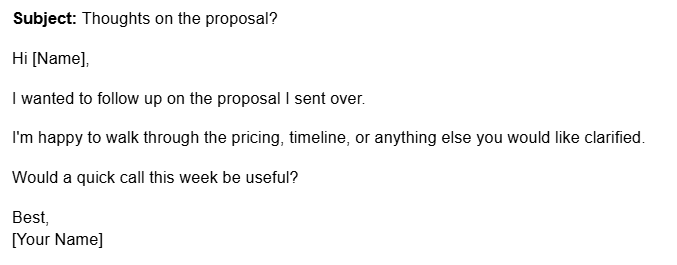
When to use it: Give the prospect a little time to review the proposal before following up․
Tip: Instead of just asking them if they saw it‚ offer them an explanation of the pricing‚ timelines or anything unclear․
3. After No Response
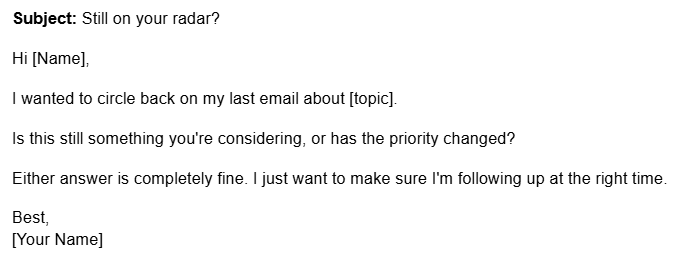
When to use it: When you haven’t received an answer to your initial email․
Tip: Keep the tone casual and give them an easy way to tell you if the timing still feels right․
4. After a Demo
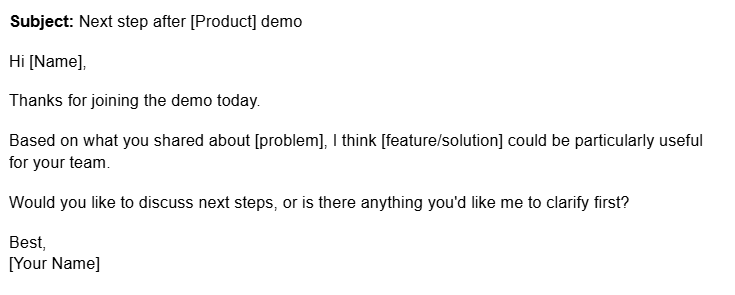
When to use it: Send it shortly after the demo while the details are still fresh․
Tip: Tie the follow-up to a feature or problem that the prospect mentioned in the demo․
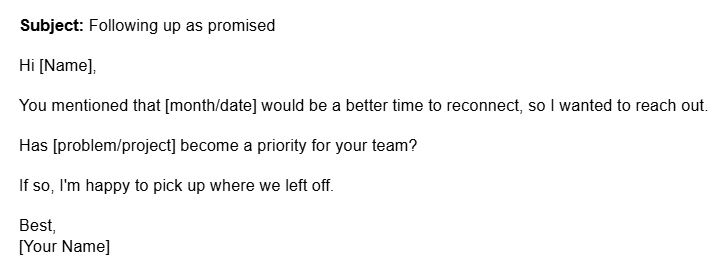
5. When the Prospect Asked You to Follow Up Later
When to use it: Send it around the date the prospect originally suggested.
Tip: Remind them of your previous conversation so they don’t have to remember the entire context.
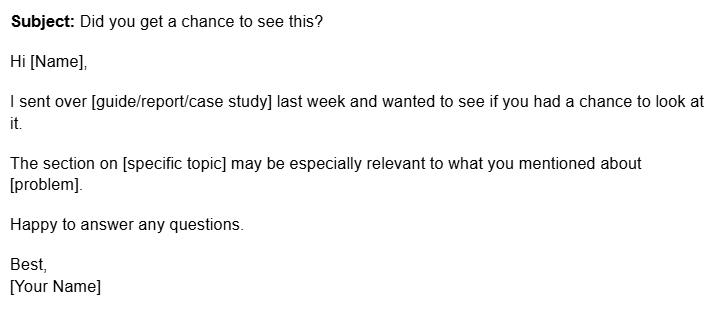
6. After Sending a Resource
When to use it: Follow up after giving the prospect enough time to review the resource.
Tip: Point them toward one specific section that relates to their situation instead of simply asking if they read it.
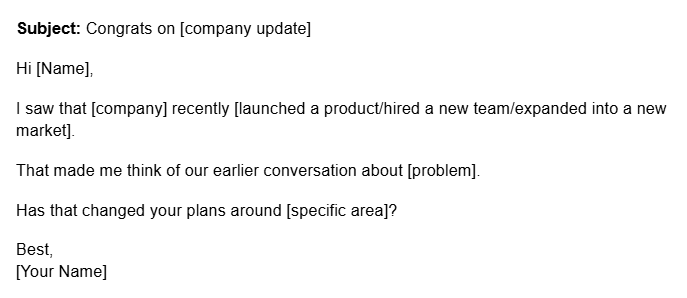
7. After a Trigger Event
When to use it: Use this when something relevant happens at the prospect’s company.
Tip: Make sure the event actually connects to your previous conversation. Don’t force a connection just to have a reason to email.
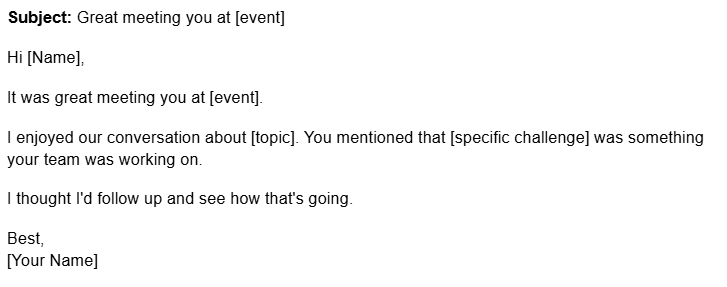
8. After a Networking Event
When to use it: Reach out while the meeting is still relatively fresh in their mind.
Tip: Mention something you actually discussed. It instantly makes the message feel less like a mass email.
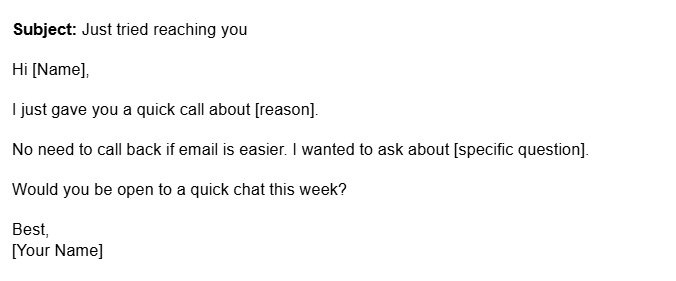
9. After Leaving a Voicemail
When to use it: Send this shortly after leaving the voicemail.
Tip: Tell them why you called so they can decide whether it’s worth getting back to you.
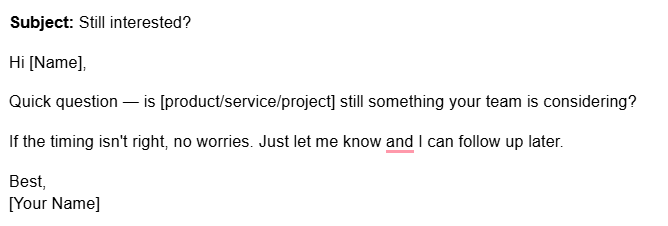
10. When You Need a Simple Yes or No
When to use it: Use this when you’ve followed up but aren’t sure whether the prospect is still interested.
Tip: Make it easy to answer. A simple yes, no, or not-right-now can save both sides time.
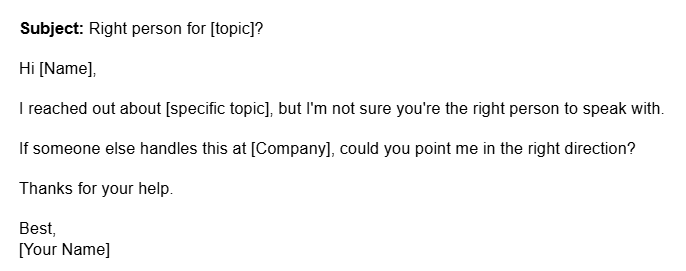
11. When You Need the Right Contact
When to use it: Send this when you suspect you’ve contacted the wrong person.
Tip: Keep the request polite and specific. You’re asking for a direction, not another sales follow up email pitch.
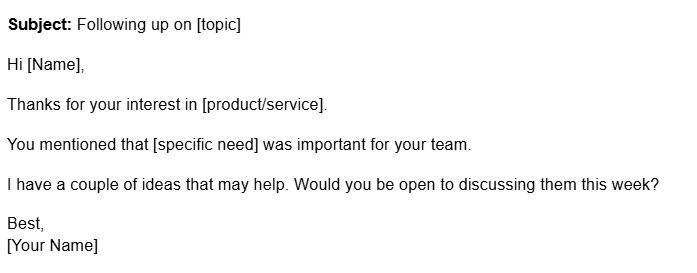
12. After the Prospect Shows Interest
When to use it: Use this when a prospect has shown clear interest but hasn’t taken the next step.
Tip: Refer back to what they said they needed. This keeps the conversation focused on their problem.
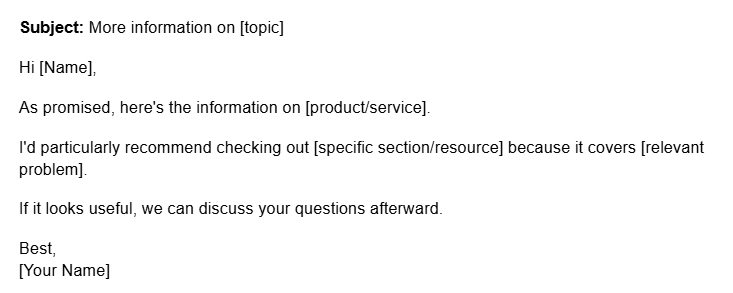
13. When the Prospect Says “Send Me More Information”
When to use it: Send the requested information as promised.
Tip: Don’t dump a pile of links into the email. Point them toward the one resource most relevant to their question.
14. After Several Follow-Ups
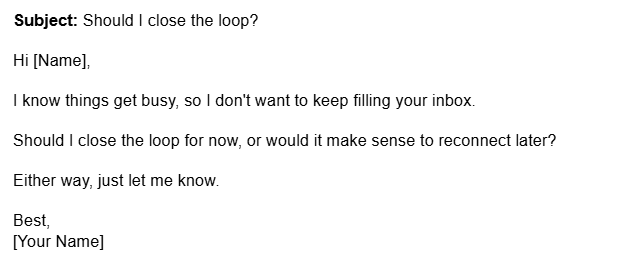
When to use it: Use this when you’ve already made several attempts without getting a response.
Tip: Give the prospect an easy way to pause the conversation without feeling pressured.
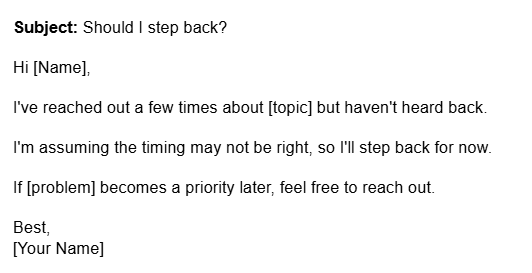
15. The Breakup Email
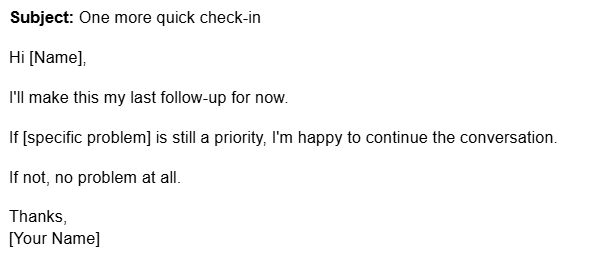
When to use it: Save this for leads who haven’t responded after several reasonable attempts.
Tip: Keep the door open. A prospect who isn’t ready today may become a customer later.
16. When You Have Something New to Share
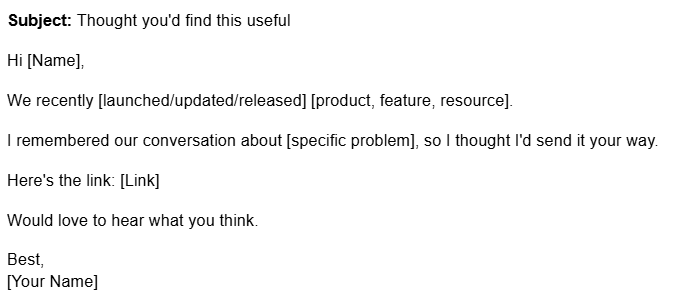
When to use it: Use this when you have a genuine update that could matter to the prospect.
Tip: Explain why you’re sending it to them specifically. Don’t use every product update as an excuse to sell.
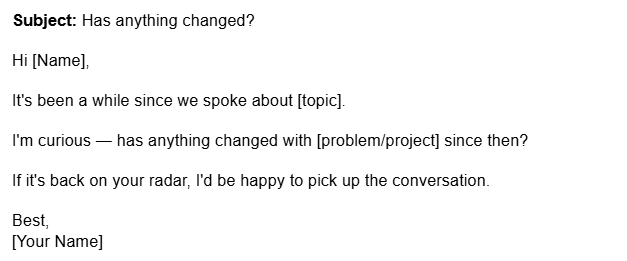
17. Reconnecting With an Old Lead
When to use it: Use this when a previous conversation went quiet but the prospect was once interested.
Tip: Look for what’s changed since your last conversation and use that as your reason for reaching out.
18. A Short Final Follow-Up
How to Write Email Follow Up Email That Gets a Reply
A good follow up email format sales teams can use is simple:
Context → Reason → Value → Next step
For Example:
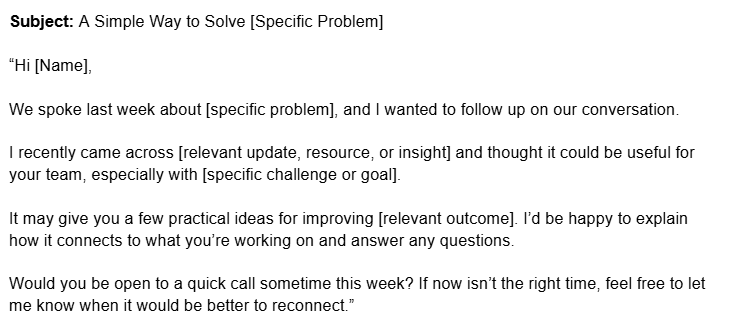
That’s usually better than writing lengthy paragraphs about how you haven’t heard back.
One Important Note About These Templates
These 18 sample sales follow up email are merely guides‚ not copy-and-paste email templates․
Make sure you rewrite the text in brackets with what is relevant to your prospect‚ their company‚ and your previous conversation․
Your chance of a response is determined by how relevant the email is․ Template emails give you the email structure․ Your personal information makes it sound like the email is actually being written for that person․
How Long Should You Wait Before Following Up?
There’s no single perfect waiting period. It depends on what happened before the follow-up. As a starting point:
- After a meeting: Within 24 hours
- After sending important information: 1–3 days
- After a proposal: A few business days
- After no response: Give it several days before trying again
- Cold or old leads: Wait longer and use a new reason to reconnect
HubSpot’s current guidance is similar‚ recommending follow-up be timed differently depending on the nature of the follow-up‚ rather than following the same schedule each time․
How to Send a Follow Up Email Without Sounding Pushy
The most basic rule is this: Don’t make every follow-up about getting a response․
Give the prospect something of value․ You could:
- Answer a question
- Share a relevant case study
- Mention a company update
- Suggest a solution
- Clarify a previous point
- Ask a simple question
If you’re sending multiple follow-ups‚ automation is a great way to remember to send multiple follow-ups to each prospect․
Using a Customer Relationship Management tool such as LeadVix can help to automate sales follow up emails‚ visualize a lead pipeline‚ track replies and engagement‚ and analyze replies with AI․
That way‚ you spend less time wondering who needs an email and more time on the conversations that really matter․
To Conclude
A good sales follow up email doesn’t need to be clever․ It needs to be relevant․ Be clear about what you’re reaching out for‚ keep it short‚ explain what you can do for them‚ and close with an idea for next steps․
Also‚ if one follow-up doesn’t work‚ don’t just send the same message again․
Change the reason. Change the value. Or give the prospect an easy way to say not now.
That’s how follow-ups continue being useful instead of inbox noise․
Frequently Asked Questions (FAQs)
How do I write a follow-up email?
It was nice to see you last week‚ would love to connect․ What is a good time for us to talk?
How do I politely send a follow-up email?
Be friendly‚ but don’t pressure for a response․ If appropriate‚ you could ask whether it’s a good time to speak or if you should follow up another time․
How do you say follow up in an email professionally?
Use expressions like: “I wanted to follow up on our conversation”‚ “I’m checking in regarding․․․”‚ “I’m reaching out to see if there are any updates․”
How do I professionally say I will follow up?
Say: “I’ll follow up with you by [date]”‚ “I’ll get back to you with an update”‚ or “I’ll reach out again once I have more information”․